TL;DR: Scar Revision Reality Check
Scar revision improves scar appearance and function, but does not erase scars completely. The right method depends on scar type, thickness, and location. Options include excision, laser, and pattern-based surgical redesign. Timing is critical because many scars continue to improve during maturation.
Whether resulting from an injury, a burn, or a previous surgery, scars are more than just physical marks—they often carry emotional weight. While it's a common dream to "erase" a scar completely, the medical reality is different. In this article, we explore the truth about scar revision: what is possible, what is not, and the advanced techniques we use to help you feel comfortable in your skin again.
Revision vs. Removal: Setting Real Expectations
The most important truth to understand is that **no scar can be 100% removed**. Once the deeper layers of the skin (the dermis) are damaged, the body repairs the gap with fibrous collagen tissue—which we call a scar.
The goal of a plastic surgeon is not "removal," but **"revision."** We aim to make the scar less noticeable, flatter, thinner, or more aligned with the natural folds of your skin. By changing the orientation or texture of the scar, we can make it blend so seamlessly that it becomes difficult to see with the naked eye.
"Success in scar revision is measured by how well the scar disappears into the natural shadows and contours of the body." — Dr. Ketan Patel
Common Types of Scars
The treatment we choose depends entirely on the type of scar you have. Not all scars are created equal:
- Keloid Scars: These are thick, puckered, and itchy clusters of scar tissue that grow beyond the edges of the original wound. They are more common in people with darker skin tones.
- Hypertrophic Scars: Similar to keloids but staying within the boundaries of the original wound. They are often red and raised.
- Contracture Scars: Often caused by burns, these scars pull the edges of the skin together, potentially restricting movement in muscles or joints.
- Atrophic Scars: Sunken or pitted scars, often resulting from acne or chickenpox.
Modern Revision Techniques
Dr. Patel utilizes a combination of surgical and non-surgical approaches to achieve the best results:
1. Surgical Excision
For wide or poorly healed scars, the best approach is often to surgically remove the old scar and re-close the wound with ultra-fine, tension-free sutures. This "resets" the healing process under controlled clinical conditions.
2. Laser Resurfacing
Lasers can target the blood vessels in red scars to fade the color or "sand down" the top layers of raised scars to make them smoother and more level with the surrounding skin.
3. Z-Plasty and W-Plasty
These are specialized surgical patterns used to redirect a scar. By changing a straight line into a zig-zag, we can break up the eye's ability to follow the scar and align it better with natural skin tension lines.
When is the Right Time for Treatment?
Patience is key. Scars undergo a "maturation" process that can take 12 to 18 months. A scar that looks red and angry at 3 months may fade significantly on its own by one year. Generally, we recommend waiting until a scar has fully matured before considering surgical revision, though certain non-surgical treatments like silicone sheeting or steroid injections can begin earlier.
Frequently Asked Questions About Scar Revision
Is laser better than surgery for scar revision?
Neither is universally better. Laser helps texture and color in selected scars, while surgery can reshape wide or misaligned scars. Many patients benefit from combination treatment.
Will scar revision stop itching and tightness?
In many cases, yes. Proper treatment can reduce discomfort, improve movement, and make the scar less raised or restrictive.
How many sessions are needed for visible improvement?
The number varies by scar type and treatment plan. Some patients improve after one procedure, while others need staged sessions for best outcomes.
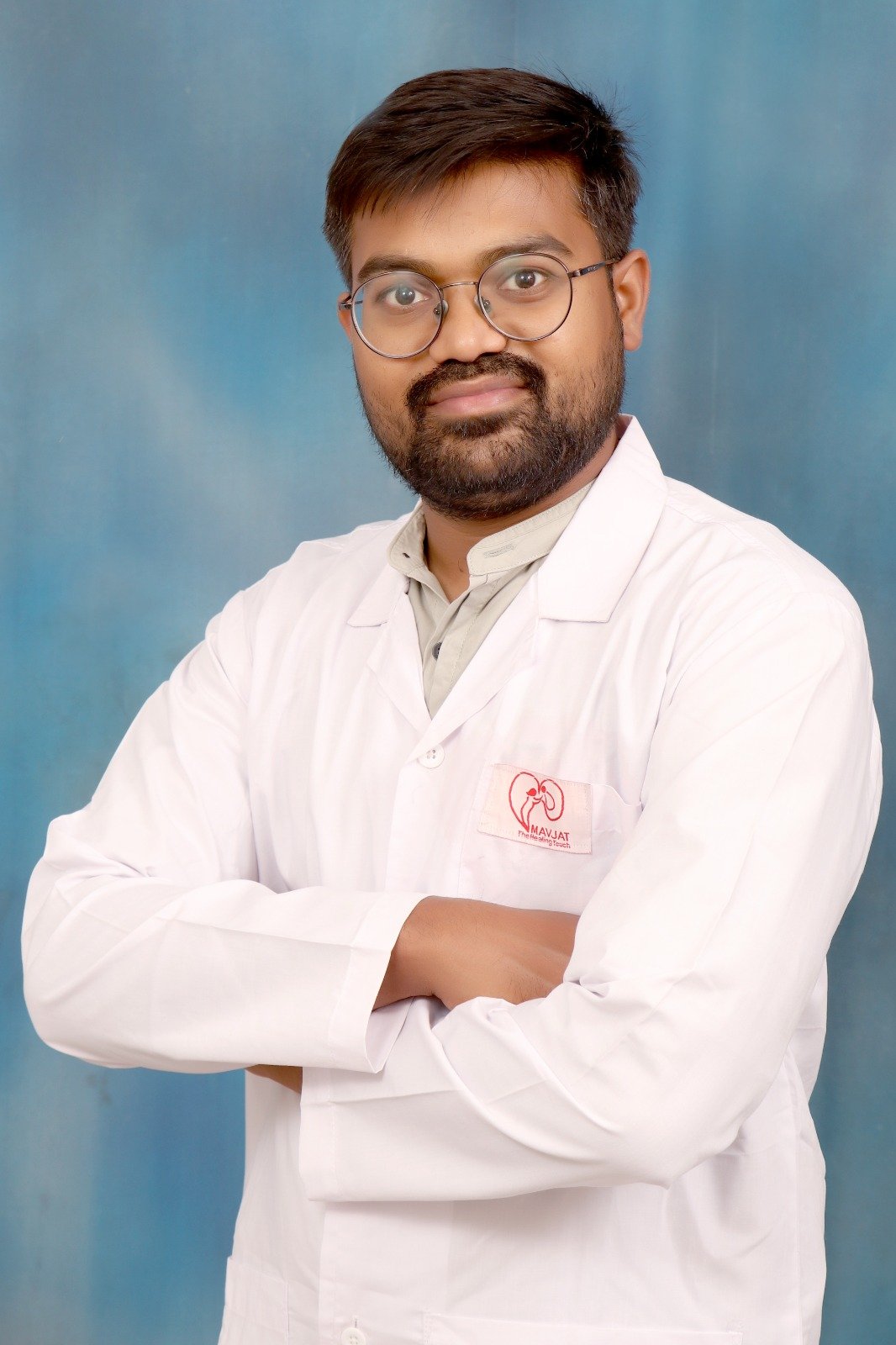
Written by Dr. Ketan Patel
Board-Certified Plastic Surgeon (MBBS, MS, MCH). Dedicated to restoring function and rebuilding confidence for patients across Gujarat.