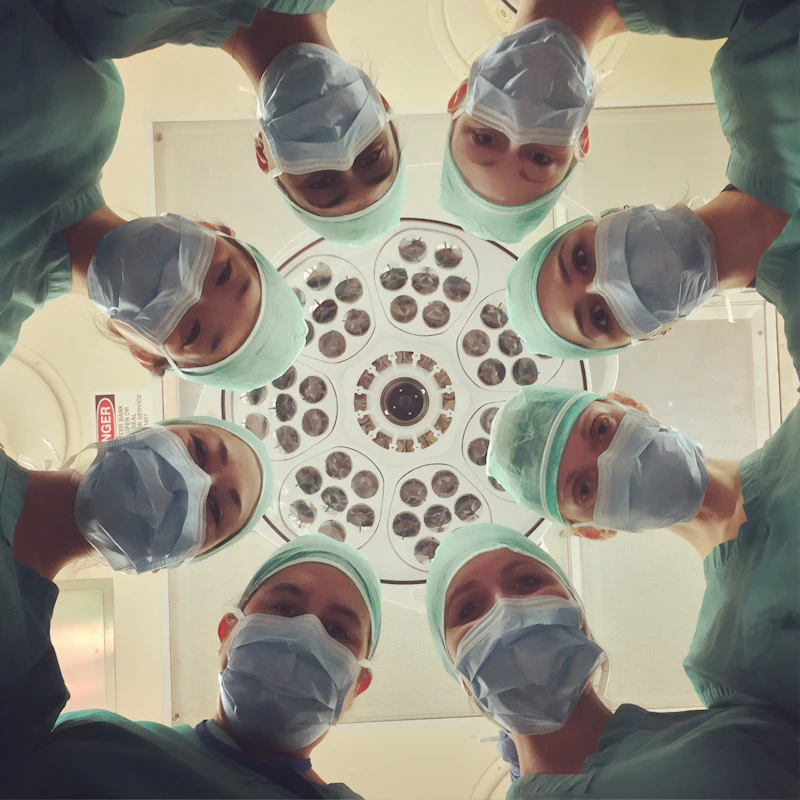
TL;DR: Trauma Reconstruction Essentials
Post-accident trauma reconstruction restores both function and appearance through staged procedures like skin grafts, flap surgery, and microsurgery. Most patients recover in phases, not in one operation. Early wound stabilization, realistic timelines, and emotional support all improve long-term outcomes and quality of life.
Recovering from a severe accident is a journey that demands incredible resilience. While the immediate focus is always on stabilizing vital functions and saving lives, the subsequent phase—rebuilding and restoring the body—is equally critical. Post-accident trauma reconstruction is a highly specialized field of plastic surgery dedicated to restoring form, function, and most importantly, a patient's confidence.
The Goal of Trauma Reconstruction
Unlike elective cosmetic procedures, trauma reconstruction is often a medical necessity. The primary goal is to repair complex physical anomalies caused by severe impact, burns, or crush injuries. This can involve rebuilding bone structures in the face, reattaching severed nerves in the hand, or utilizing skin grafts to cover extensive tissue loss.
The overarching objective is to help the patient return to a state as close to their pre-accident condition as possible, allowing them to perform daily activities without pain or severe restriction.
"Reconstructive surgery is not just about changing how a patient looks after an accident; it is about giving them their life and independence back." — Dr. Ketan Patel
Common Reconstructive Techniques
Depending on the severity and location of the injury, a plastic surgeon may employ several advanced techniques:
- Skin Grafts: Transferring healthy skin from an uninjured part of the body to cover a wound or burn site.
- Flap Surgery: Moving a piece of tissue (skin, fat, and sometimes muscle) along with its blood supply from one part of the body to another. This is crucial for covering exposed bone or large defects.
- Microsurgery: Reconnecting tiny blood vessels and nerves under a microscope. This is often required for reattaching fingers or ensuring complex tissue flaps survive in their new location.
- Maxillofacial Reconstruction: Using titanium plates and screws to rebuild the fragile bones of the face following high-impact trauma.
The Timeline for Recovery
It is important to understand that trauma reconstruction is rarely a single event. It is often a phased approach that requires multiple procedures over several months or even years.
Immediate (Acute) Reconstruction: Performed within hours or days of the accident. The focus is on closing wounds, preventing infection, and stabilizing bones.
Delayed Reconstruction: Performed weeks or months later once the initial swelling has subsided and the body has had time to heal. This phase focuses on refining function and appearance, releasing scar contractures, and performing more delicate nerve repairs.
The Emotional Journey
The physical scars of an accident are visible, but the psychological impact is often profound. Patients frequently experience grief, anxiety, and a loss of identity as they navigate their new physical reality. A compassionate surgical team understands that healing the mind is just as important as healing the body. We work closely with physical therapists and counselors to provide holistic care throughout the entire recovery process.
Frequently Asked Questions About Trauma Reconstruction
How many surgeries are usually needed after major trauma?
Many patients require a phased treatment plan, not a single surgery. The total number depends on injury severity, healing response, and whether additional function-focused refinements are needed.
When can normal activity resume after reconstruction?
Light activity often starts early under guidance, but full return to work, exercise, or sports depends on healing milestones and your surgeon's clearance.
Can trauma reconstruction improve both function and appearance?
Yes. Modern reconstructive planning is designed to restore movement and reduce deformity together, so outcomes support both daily function and confidence.
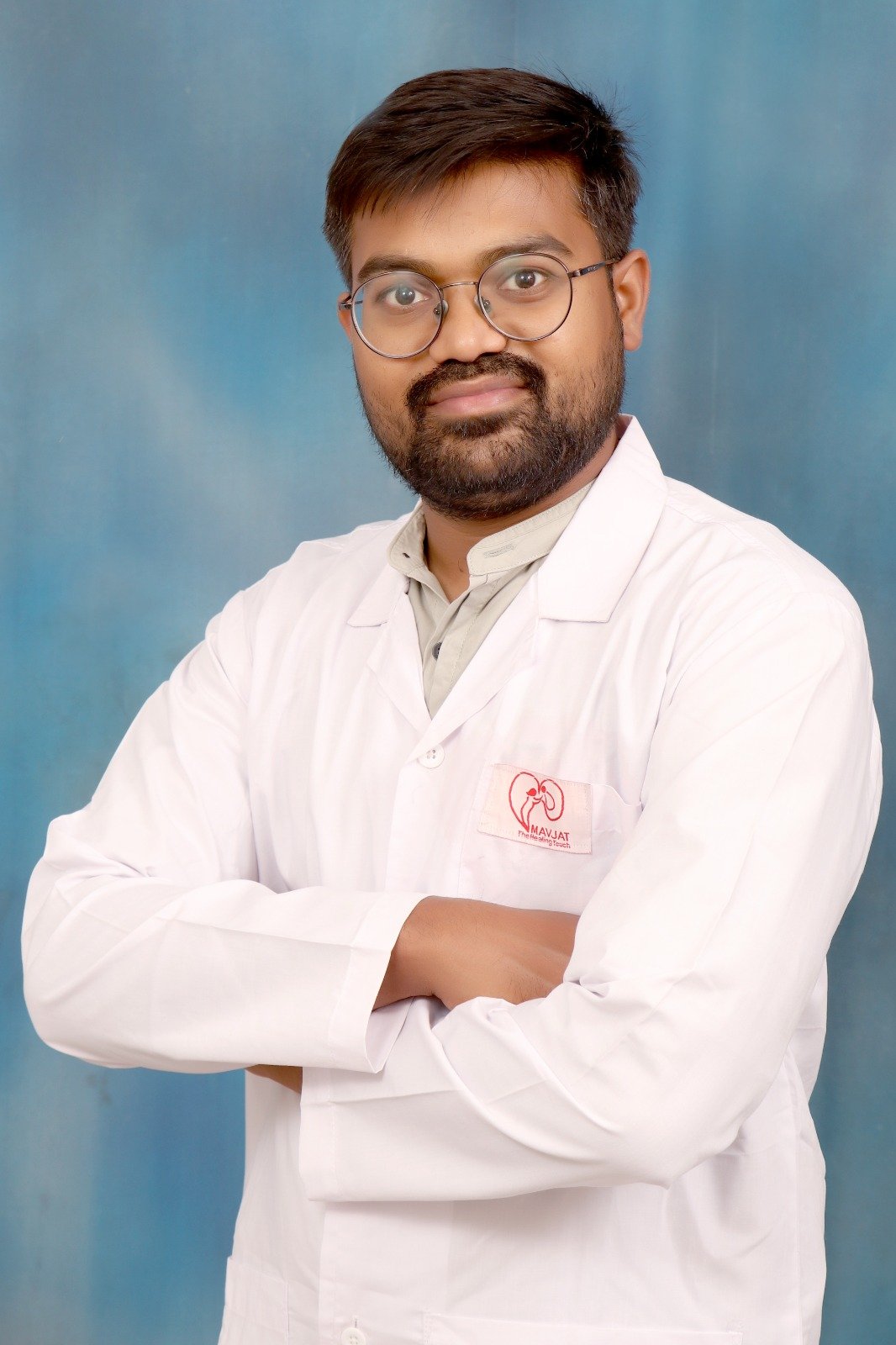
Written by Dr. Ketan Patel
Board-Certified Plastic Surgeon (MBBS, MS, MCH). Dedicated to restoring function and rebuilding confidence for patients across Gujarat.