TL;DR: Faster Recovery Framework
Recovery quality improves when nutrition, sleep, and movement are managed together. Prioritize protein, hydration, and micronutrients for tissue repair. Protect deep sleep to support hormone-driven healing. Use gentle movement to maintain circulation, but avoid heavy activity until your surgeon confirms readiness.
Surgery is only the first step in your transformation journey. The period immediately following your procedure is when your body does the heavy lifting of healing and rebuilding tissue. While your surgical team provides the blueprint, you provide the fuel. Optimal recovery is built on two fundamental pillars: targeted nutrition and deep, restorative rest.
The Power of Healing Foods
Think of your body as a high-performance engine that has just undergone major repairs. To get back to peak efficiency, it requires specific nutrients that support wound closure, collagen production, and immune function.
- Protein is Essential: Protein is the building block of skin and muscle. Focus on lean sources like chicken, fish, eggs, tofu, and legumes. After surgery, your body’s demand for protein increases significantly to repair surgical incisions.
- Vitamin C and Zinc: Vitamin C is critical for collagen synthesis and cross-linking, which gives your new skin strength. Zinc is equally vital for cell division and immune response. Incorporate citrus fruits, bell peppers, nuts, and seeds into your daily meals.
- Hydration: Healing requires water. Dehydration can lead to fatigue, dizziness, and slower wound healing. Aim for at least 8–10 glasses of water daily, avoiding sugary or caffeinated drinks that can act as diuretics.
- Anti-Inflammatory Fats: Omega-3 fatty acids found in walnuts, flaxseeds, and fatty fish help manage internal inflammation, which can reduce post-operative swelling and discomfort.
"You cannot rush biology, but you can certainly support it. A nutrient-dense diet is the most powerful tool a patient has to minimize downtime and optimize their surgical result." — Dr. Ketan Patel
The Role of Rest and Sleep
During deep sleep, your body enters its most intense state of repair. This is when growth hormones are released and blood flow to your muscles and surgical site increases, delivering the oxygen and nutrients needed for healing.
**Listen to your body.** Post-operative fatigue is a biological signal that your energy is being diverted to the healing process. If you feel tired, nap. Do not try to push through the exhaustion, as this can lead to increased stress on the heart and slow down your recovery timeline.
Managing Movement
While rest is vital, total immobility is not recommended. Unless specifically instructed otherwise, we encourage "active rest." This involves light walking around your home every few hours. This gentle movement maintains healthy circulation and drastically reduces the risk of blood clots (DVT) in the legs.
Avoid strenuous exercise, heavy lifting, or high-intensity cardio until Dr. Patel gives you the formal clearance during a follow-up appointment—typically around the 4 to 6-week mark.
Summary Checklist for a Smooth Recovery
- Prepare healthy, protein-rich meals in advance of your surgery.
- Stock up on high-quality Vitamin C and Zinc supplements if recommended.
- Set up a comfortable "recovery station" with plenty of pillows and easy access to water.
- Stay off your feet for the first 24–48 hours, but perform ankle pumps and light stretches.
- Strictly follow all medication schedules provided by the clinic.
Frequently Asked Questions About Surgical Recovery
When does appetite usually return after surgery?
Appetite varies by procedure and anesthesia type, but many patients can resume small, protein-focused meals early as tolerated and advised.
How many hours should I sleep during recovery?
Aim for consistent, high-quality sleep and include short rest periods when fatigue appears, as healing demand is higher than normal.
When can I restart exercise routines?
Most patients start with light walking and gradually progress only after formal follow-up clearance from their surgeon.
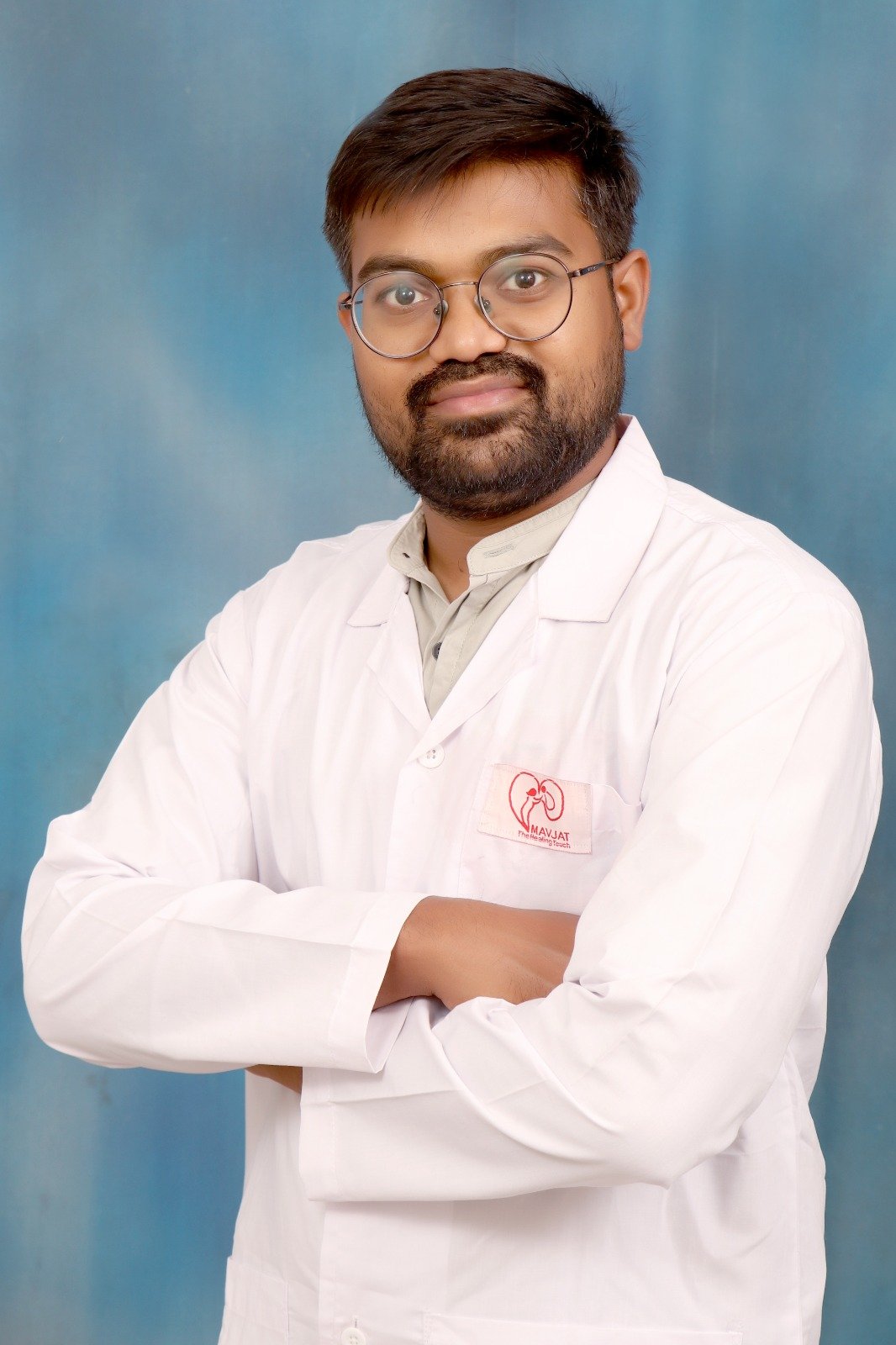
Written by Dr. Ketan Patel
Board-Certified Plastic Surgeon (MBBS, MS, MCH). Dedicated to restoring function and rebuilding confidence for patients across Gujarat.